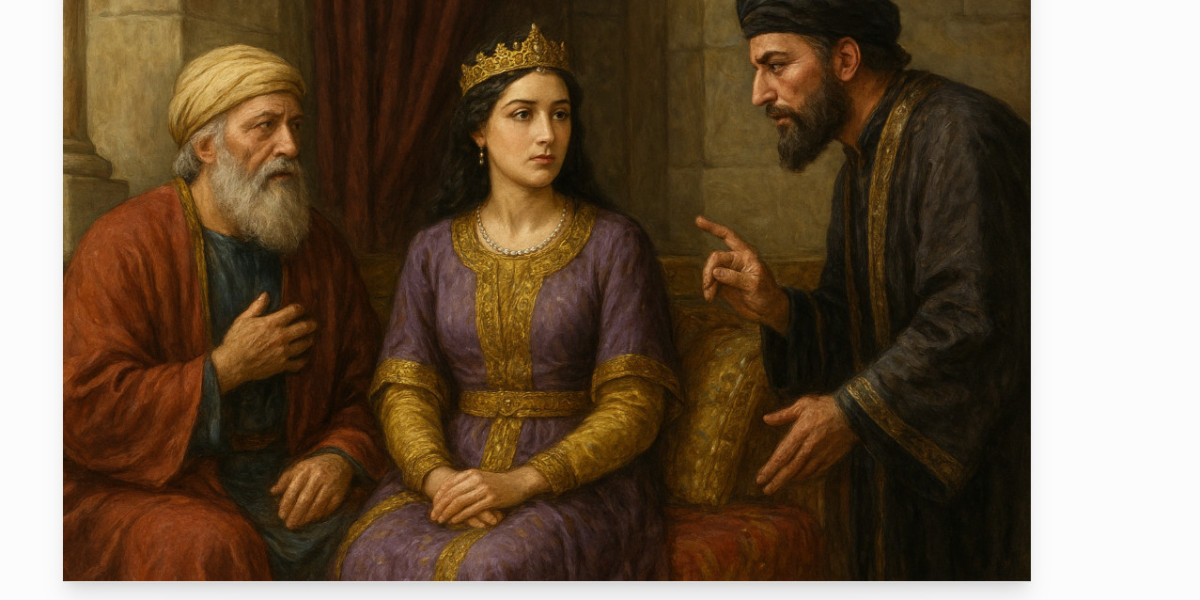
The story of Kerekatte is one of humble beginnings. The origins of the shrine are preserved in local tradition and have been passed down through generations. More than 350 years ago, the region around Kerekatte, located in Kundapur Taluk of the Udupi district in Karnataka, India, was sparsely populated and surrounded by forests and farmland. There was no established Christian community in the village, and very few people had ever heard the name Kerekatte.
One day, while ploughing his field, a local farmer struck something unusual beneath the soil. Curious, he stopped his work and carefully dug into the earth. To his surprise, he uncovered a beautifully carved wooden statue.
The villagers gathered around the mysterious statue. Although none of them knew the identity of the saint, they believed it was a sacred object worthy of reverence. Rather than discarding it, they decided to take it to the nearby Church of St. Philip Neri at Basrur.
According to local tradition, the priest, Fr. Joseph Vaz (later canonized as St. Joseph Vaz), identified the wooden statue as St. Anthony of Padua. The statue was kept safely in the church. However, by following morning, it had mysteriously disappeared. To the amazement of the people, it was found once again at the exact place in Kerekatte where the farmer had first discovered it.
Believing this as a sign that St. Anthony wished to remain among the people of Kerekatte, local tradition says that St. Joseph Vaz arranged for a simple thatched shelter to be built to protect the sacred image from the sun and rain.
News travelled slowly in those days, yet stories of prayers answered through the intercession of St. Anthony gradually spread from village to village. Pilgrims began visiting the humble shrine, seeking hope, healing, and God’s ble ssings.
Unlike many pilgrimage centres, Kerekatte welcomed people from different religious backgrounds. Visitors came with faith and respect, offering prayers in the peaceful atmosphere of the shrine. The shrine is situated near the road connecting Siddapur and Hosangady, close to the Balebare Ghat.
For centuries, the shrine remained modest. In 1940–1941, permission was granted to construct the first permanent shrine, and responsibility for its care was entrusted to St. Philip Neri Parish, Basrur. Over the years, the small roadside shelter gradually developed into a well-organized pilgrimage centre while preserving the simplicity that marked its beginnings.
Recognizing its long history, vibrant spiritual life, and importance to the faithful, Church authorities later declared Kerekatte a Diocesan Shrine.
Today, St. Anthony Shrine, Kerekatte, is known not only as a Catholic place of worship but also as a symbol of hope for all who sincerely seek God’s help through the intercession of St. Anthony.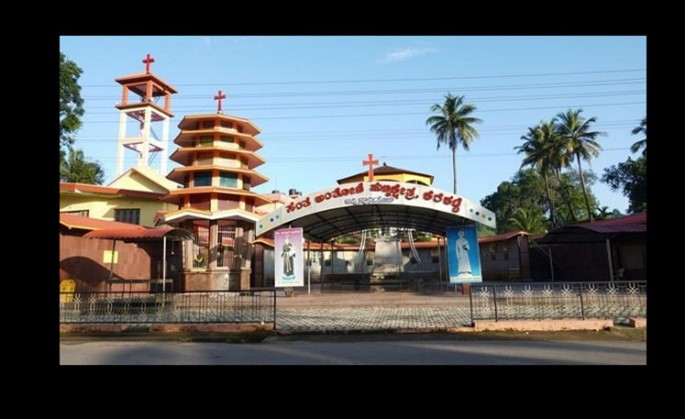
Sources: This article is based on the history of St. Anthony Shrine, Kerekatte, official Church publications, and long-standing local tradition associated with the shrine.