In the late 12th century, in Lisbon, Kingdom of Portugal, there lived a wealthy and noble Christian couple named Martin de Bulhões and Maria Teresa Taveira. They were respected members of society and were well known for their deep Catholic faith.
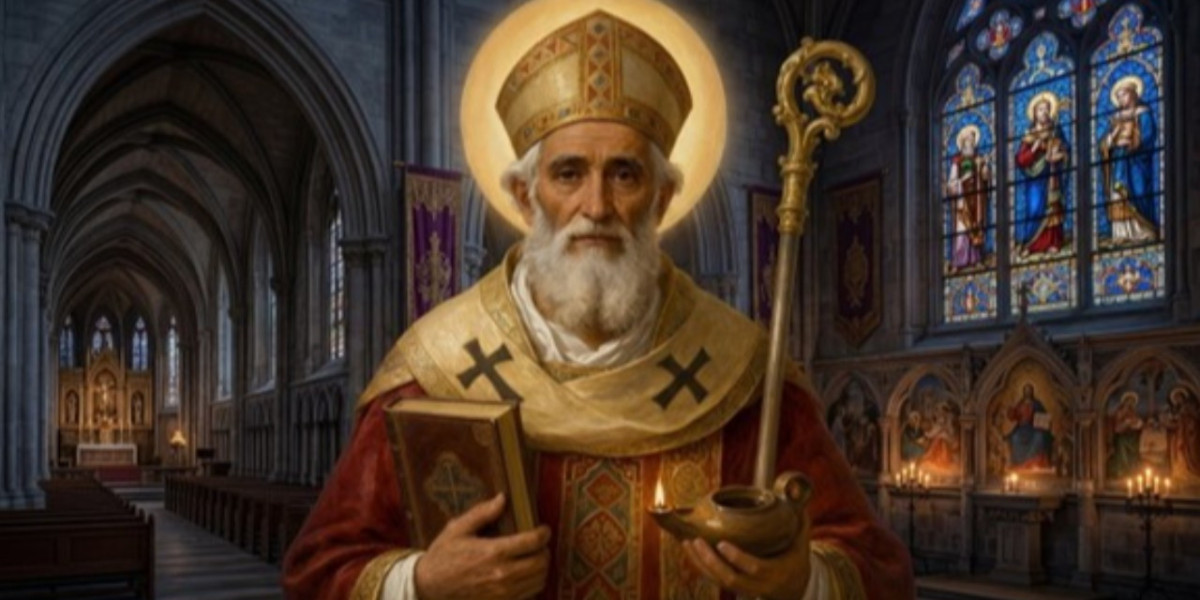
Around 1195, they were blessed with a son, whom they named Fernando Martins de Bulhões. This child would later become St. Anthony of Padua, one of Christianity's most beloved saints. He became known as the Wonder-Worker, the Evangelical Doctor, and the Hammer of Heretics because of his powerful preaching, profound knowledge of Scripture, and the many miracles associated with his life.
Fernando was raised in a loving and comfortable home where faith played an important role. His parents made sure he received an excellent education and a strong Christian upbringing. From an early age, he learned his prayers, attended Mass regularly, and became familiar with the Holy Scriptures.
Even as a young boy, Fernando displayed an unusual love for God. While many children spent most of their time playing, he often preferred quiet moments of prayer, reflection, and study. He listened attentively to the priests and eagerly learned about the teachings of the Church.
Although Fernando was born into a wealthy family, his heart was filled with compassion for the poor. Whenever he saw people who were hungry, sick, or without shelter, he was deeply moved. He quietly shared food from his home, gave small coins or personal belongings to those in need, and treated everyone with kindness and respect.
His parents soon realized that their son possessed a gentle, humble, and compassionate spirit. Rather than discouraging his growing devotion, they lovingly encouraged him to deepen both his education and his faith. These early years formed the foundation of the holy life that God had prepared for him.
No one could have imagined that this quiet and prayerful boy from Lisbon would one day become one of the greatest preachers in the history of the Church and one of the most beloved saints in the Christian world.
Joining the Franciscans
In 1220, five Franciscan friars traveled to Morocco to preach the Gospel. Their fearless witness to Christ led to their arrest, torture, and martyrdom. When their bodies were brought back to Portugal, they were buried at the Monastery of the Holy Cross in Coimbra.
Fernando saw the relics of these holy martyrs and was deeply moved. Their courage, unwavering faith, and willingness to die for Christ touched his heart. Until then, he had lived a life of prayer, study, and quiet devotion as an Augustinian canon. Inspired by their example, he asked permission to leave the Augustinian Order and join the Franciscan Order.
His request was granted, and he entered the Franciscan community. There he received the religious name Anthony, in honor of St. Anthony the Great, marking the beginning of a new chapter in his life, one dedicated entirely to God.
Soon afterward, Anthony volunteered to become a missionary in Morocco. His greatest desire was to preach the Gospel and, if God willed, to give his life for Christ just as the five Franciscan martyrs had done.
However, shortly after arriving in Morocco, Anthony became seriously ill. His health deteriorated so much that he was unable to continue his missionary work. Realizing that he could not remain there, his superiors instructed him to return to Europe.
During the voyage home, a violent storm drove the ship far off course. Instead of returning to Portugal, it landed unexpectedly on the island of Sicily, in southern Italy.
Although disappointed that his dream of missionary work had come to an end, Anthony accepted God's will with humility and trust. He did not yet realize that God had a far greater mission prepared for him, one that would make him one of the greatest preachers and most beloved saints in Christian history.
The Beginning of His Preaching Mission
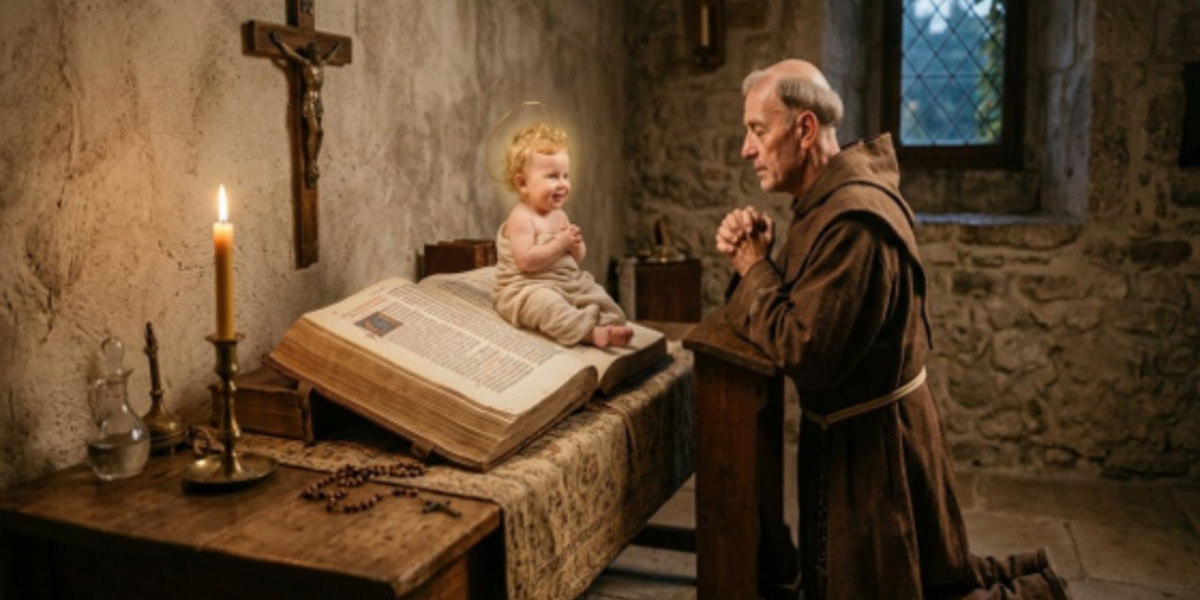
After arriving in Italy, Anthony lived quietly with a small community of Franciscan brothers, spending his time in prayer while recovering his health.
In 1222, during an ordination ceremony in Forlì, northern Italy, the preacher who had been scheduled to deliver the sermon unexpectedly failed to appear. As a last resort, Anthony was asked to speak. Although he had lived quietly and was reluctant to preach, he accepted the request out of obedience.
When Anthony began to speak, everyone present was astonished. He explained the Holy Scriptures with remarkable clarity, wisdom, and conviction. His words touched the hearts of those who listened, revealing an extraordinary gift that had remained hidden for years.
The Franciscan leaders immediately recognized that God had chosen Anthony for a special mission. Soon, he was sent to preach throughout Italy and France, where thousands gathered to hear his sermons. His powerful preaching inspired many people to repent, return to the Church, and deepen their faith.
Anthony boldly preached against false teachings, injustice, greed, and sinful living. He defended the truth of the Catholic faith with wisdom and charity, leading countless people back to Christ. He also instructed and encouraged young Franciscan friars, helping them grow in holiness and devotion to God.
Because of his powerful defense of the Catholic faith against heresies and false teachings, Anthony became known as the "Hammer of Heretics."
By God's grace, the quiet young man who once preferred silence and prayer had become one of the greatest preachers in the history of the Church.
Final Days
As Anthony traveled throughout northern Italy and southern France, thousands gathered to hear him preach. God also worked many miracles through him, strengthening the faith of the people and leading countless sinners back to Christ. These miracles, together with his powerful preaching, earned him a reputation for holiness throughout the Church. His miracles are described in detail in Part 2.
Eventually, Anthony settled in Padua, where his preaching and ministry reached their greatest influence. It was there that he spent the final years of his life, teaching, preaching, hearing confessions, and caring for the poor.
Years of constant travel, preaching, fasting, and hard work gradually weakened his health. Knowing that he was seriously ill, Anthony asked to be taken to a Franciscan friary near Padua. During the journey, he became too weak to continue and was taken instead to the small Franciscan convent at Arcella, just outside Padua.
Surrounded by his fellow friars and strengthened by his faith in Christ, Anthony of Padua peacefully died there on 13 June 1231, at the age of about 36.
Although his earthly life was short, his love for God, powerful preaching, and the many miracles attributed to him left a lasting legacy. Within a year of his death, he was declared a saint, and devotion to St. Anthony spread rapidly throughout the Christian world.
In Part 2, we will explore the extraordinary miracles of St. Anthony of Padua.
Source: Catholic tradition and Church teaching